





















About Hazardous waste management
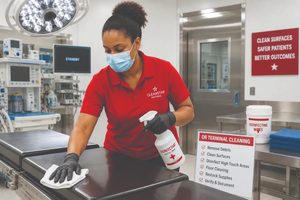
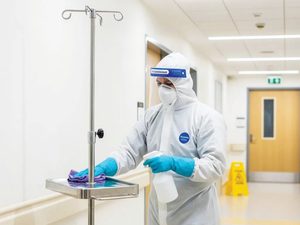
Hazardous Waste Management covers waste that needs special handling. Biomedical waste is central: whether gloves, catheters and IV sets should be cut before going into red bags, the Covid-19 waste burden at a Delhi treatment facility, the tightening of norms for syringes and needles ahead of mass vaccination, and a panel on environmental cleaning to reduce hospital acquired infections.
Household hazardous waste is the other main thread, with Mumbai's plan to dispose of domestic hazardous waste using plasma technology, the BMC's collection of sanitary and special care waste, the disposal of sanitary napkins and segregation that begins with bins. Amendments to the Battery Waste Management Rules, plastic waste, GMP in pharma facilities and a TERI view on how waste management has moved from health to wealth and back complete the picture.
The section is written for hospital administrators, biomedical waste operators, municipal officials and compliance staff in industry.
Start here
- Are gloves, catheters, bottles and IV sets to be cut before disposing in red bag? Whether gloves, catheters and IV sets should be cut before going into the red bag
- Mumbai will process hazardous waste using plasma technology How Mumbai plans to dispose of domestic hazardous waste with plasma technology
- Special-care waste collection What counts as special care waste and how Mumbai collects it from homes
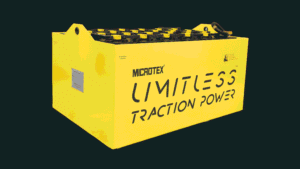
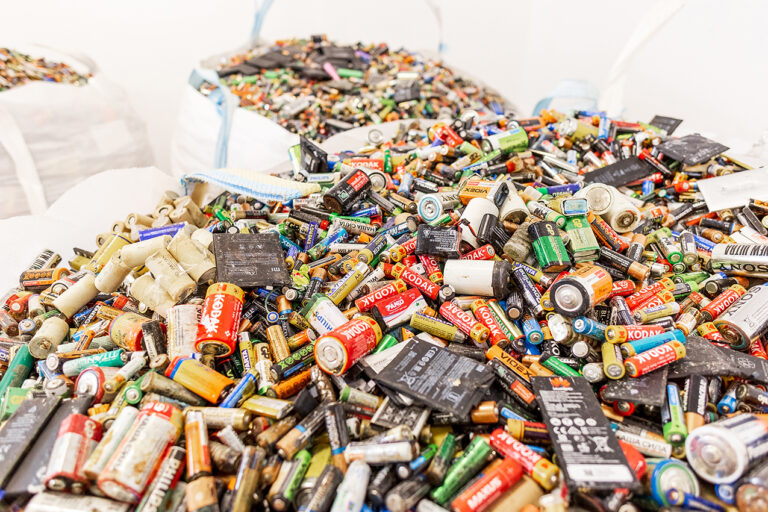
- Regulatory changes in Battery Waste Disposal Key amendments to India's Battery Waste Management Rules
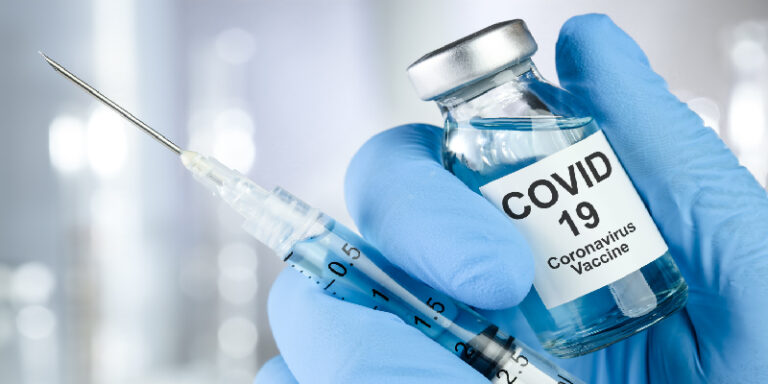
- India’s vaccination drive up the need for biomedical waste management How authorities prepared for biomedical waste from mass Covid-19 vaccination
- Sanitary Solutions & Waste Disposal Options for disposing of sanitary napkins, from eco-friendly pads to incineration
- Changing Perspectives On Waste Management Approach Moving from Health to Wealth & back to Health A TERI expert on how waste management moved from health to wealth and back
Questions readers ask
What is domestic hazardous waste?
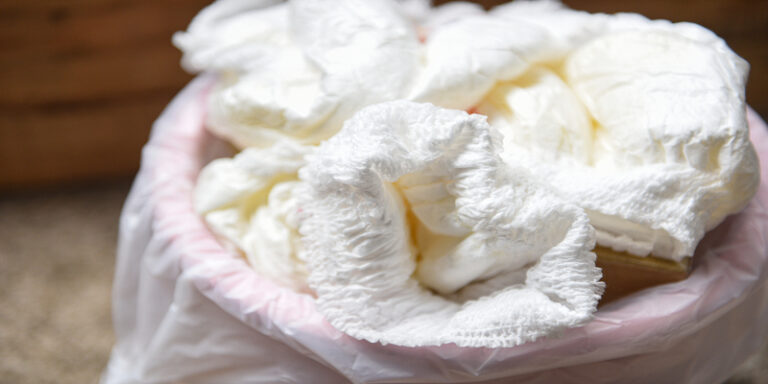
In Mumbai's plan it includes used sanitary pads, diapers, cosmetics, wires, make-up kits, oil paints and perfume, which households must now separate from wet and dry waste. Read the article
Should gloves and IV sets be cut before disposal in the red bag?
Ideally yes, to prevent misuse, unless an authorised recycler can assure there will be no reuse. The scissors and knives used for cutting must themselves be disinfected. Read the article
What changed in the Battery Waste Management Rules?
Amendments announced by the Ministry of Environment, Forest and Climate Change include a new definition of battery that excludes its components, and changes to Extended Producer Responsibility for batteries used for own use. Read the article
How much Covid-19 biomedical waste did Delhi generate?
At Biotic Waste Management, a large common treatment facility in Delhi, Covid-19 waste rose from around 7.2 tonnes per day to 12.5 to 13 tonnes per day by the end of April 2021. Read the article